
Red is a colour that appears in lots of English idioms and expressions. It can be connected with anger, embarrassment, danger, excitement, money and even special occasions – so there’s rather a lot going on beneath this particular colour.
From seeing red when you’re furious to having a red-letter day when something wonderful happens, these expressions can be pretty confusing if you try to understand them literally.
Here are some common red idioms, with simple meanings and examples to help you understand how they’re used.
What are red idioms?
Red idioms are English expressions that contain the word red but have a meaning that isn’t necessarily connected to the colour.
For example, if someone is caught red-handed, they haven’t necessarily got red hands. They’ve been caught in the act of doing something wrong.
Learning these expressions can help you understand everyday English and make your own English sound more natural.
Common red idioms
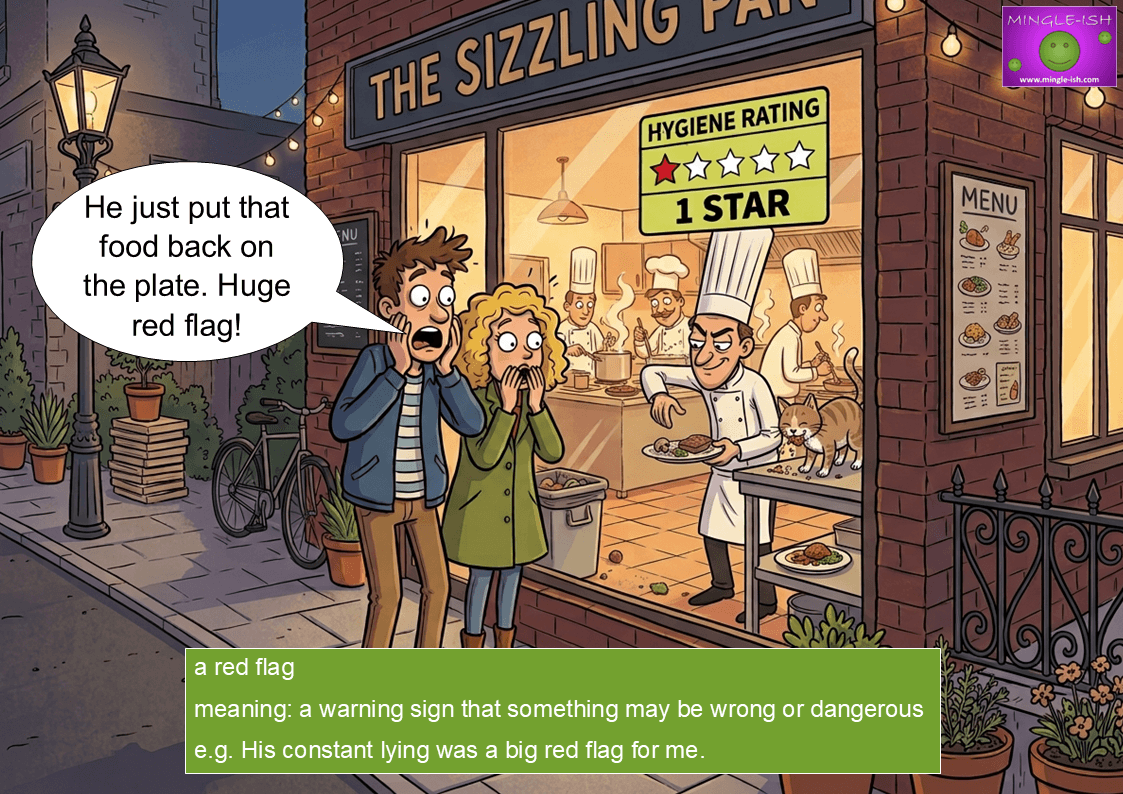
a red flag
meaning: a warning sign that something may be wrong or dangerous
example: His constant lying was a big red flag for me.
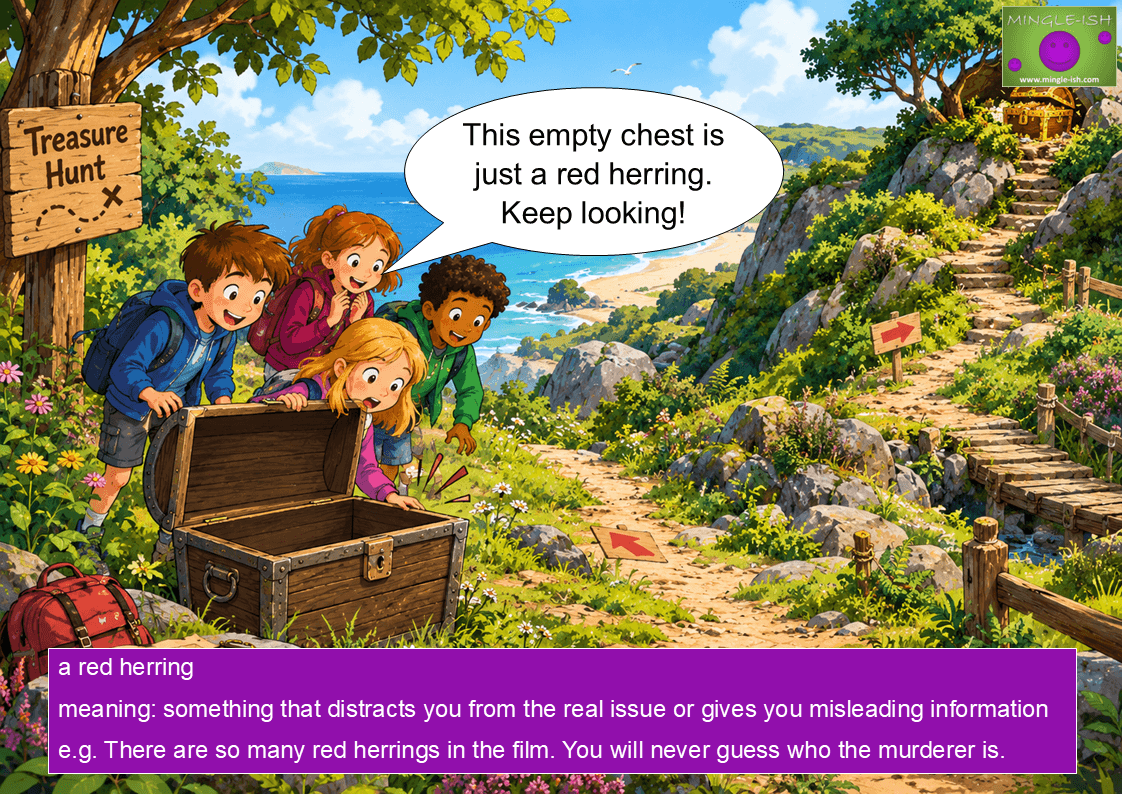
a red herring
meaning: something that distracts you from the real issue or gives you misleading information
example: The strange clue turned out to be a red herring and had nothing to do with the crime.
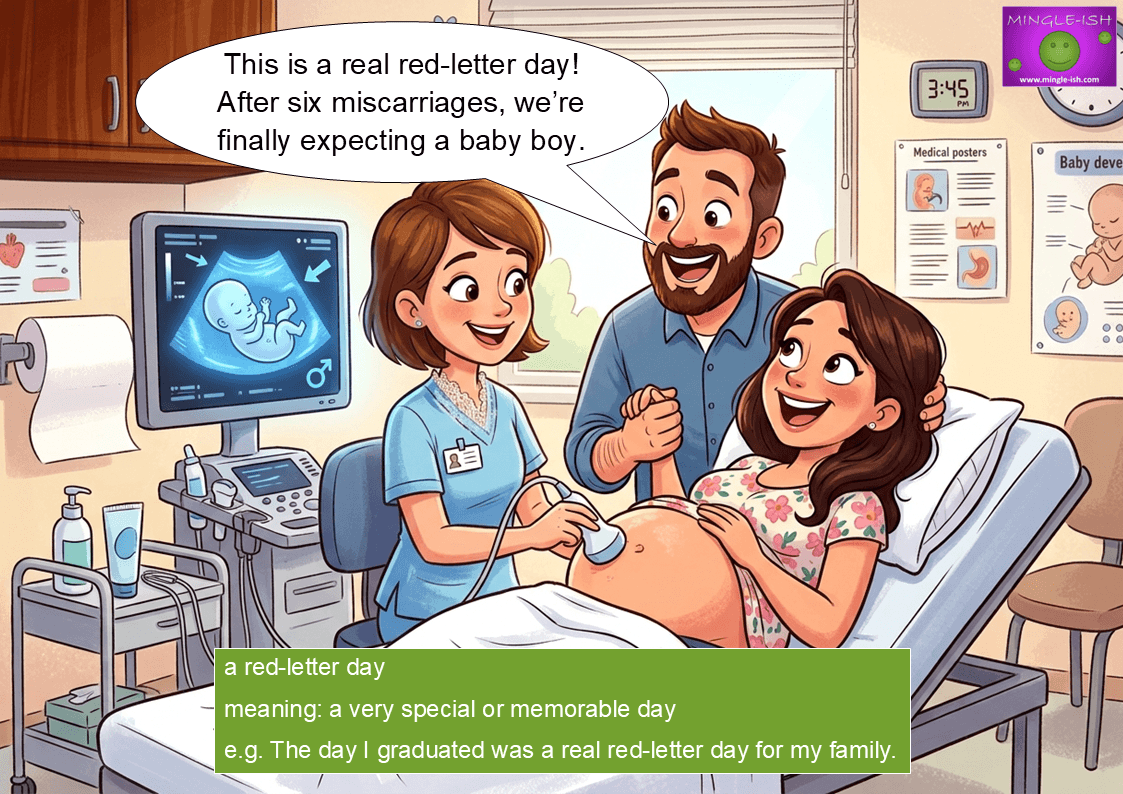
a red-letter day
meaning: a very special or memorable day
example: The day I graduated was a real red-letter day for my family.
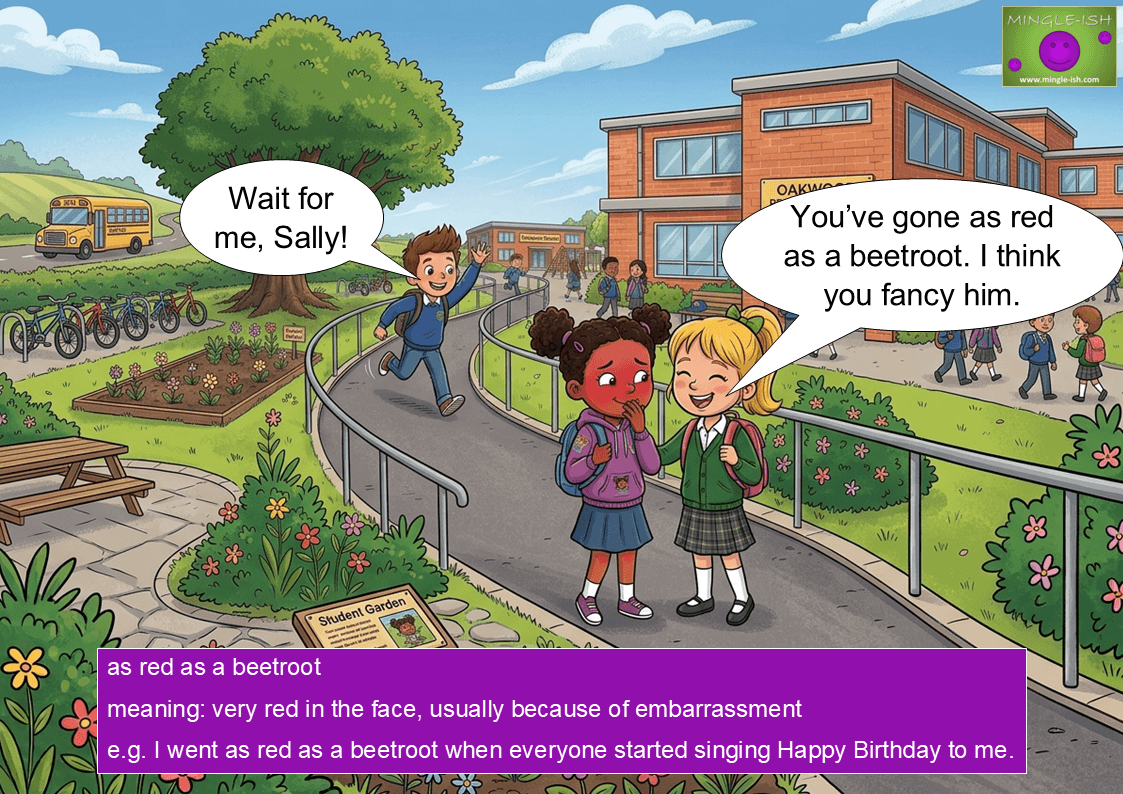
as red as a beetroot
meaning: very red in the face, usually because of embarrassment
example: I went as red as a beetroot when everyone started singing Happy Birthday to me.
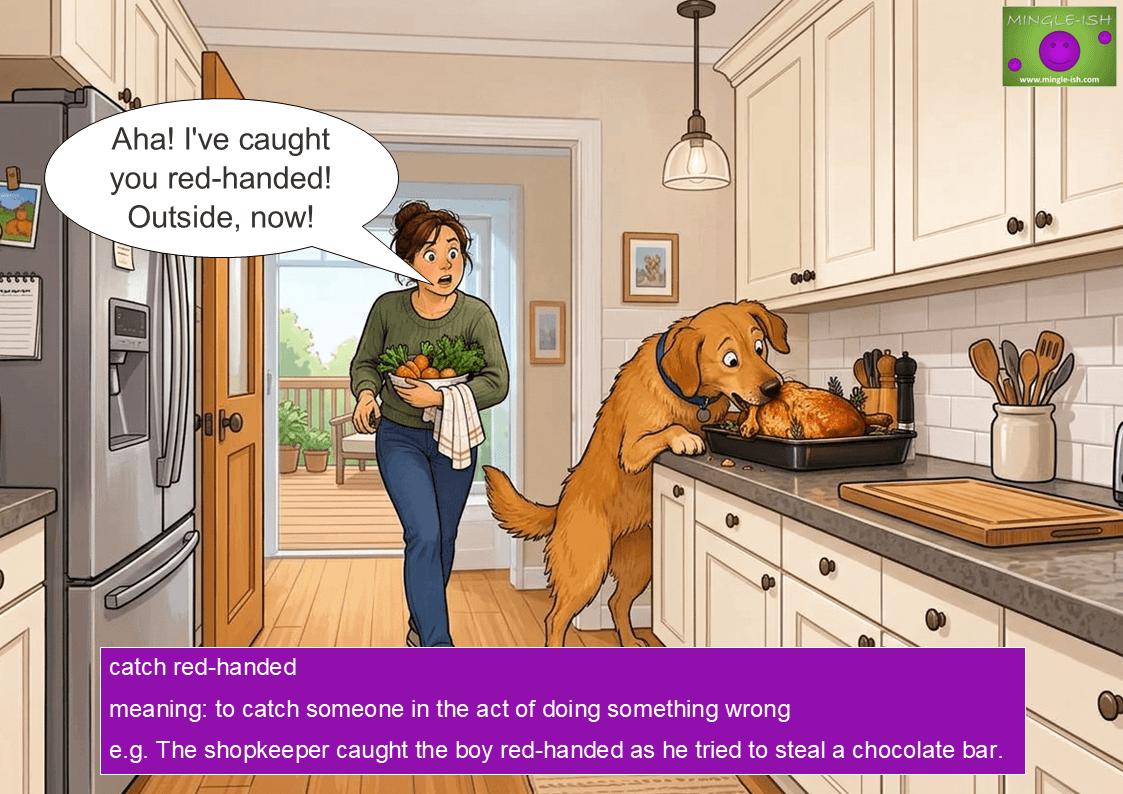
catch red-handed
meaning: to catch someone in the act of doing something wrong
example: The shopkeeper caught the boy red-handed as he tried to steal a chocolate bar.
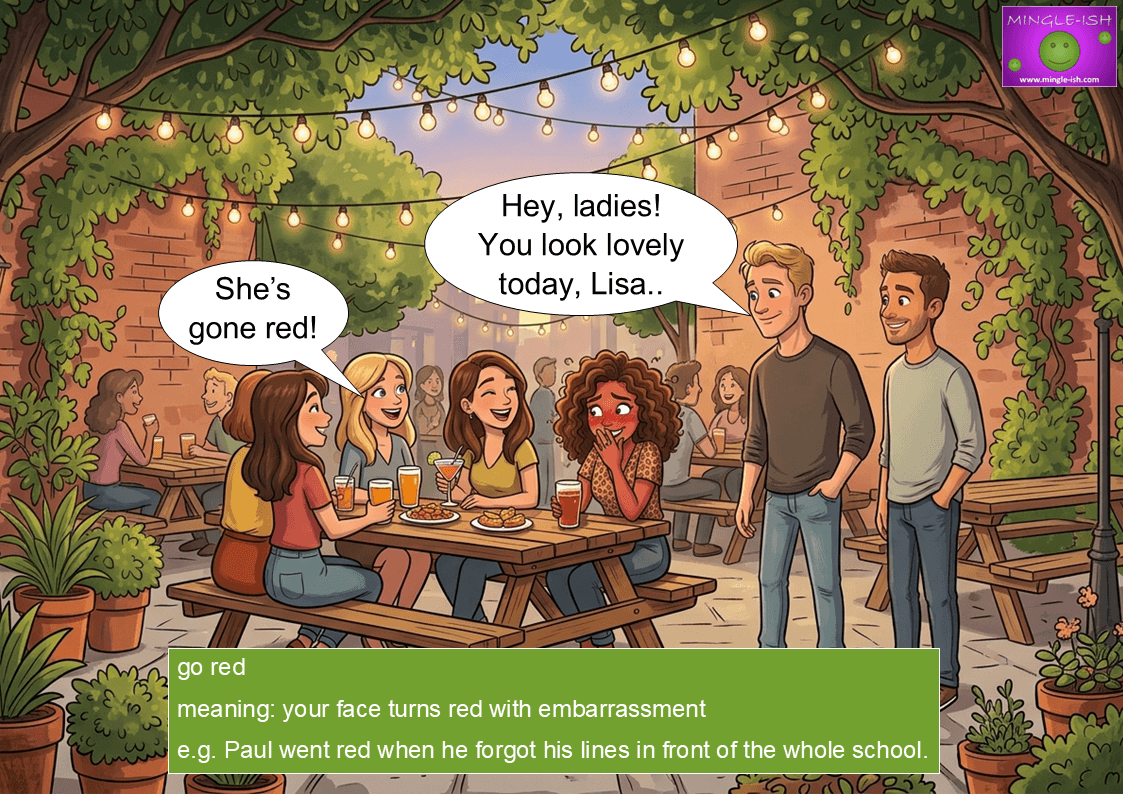
go red
meaning: to become red in the face, usually because of embarrassment
example: I always go red when someone compliments me.
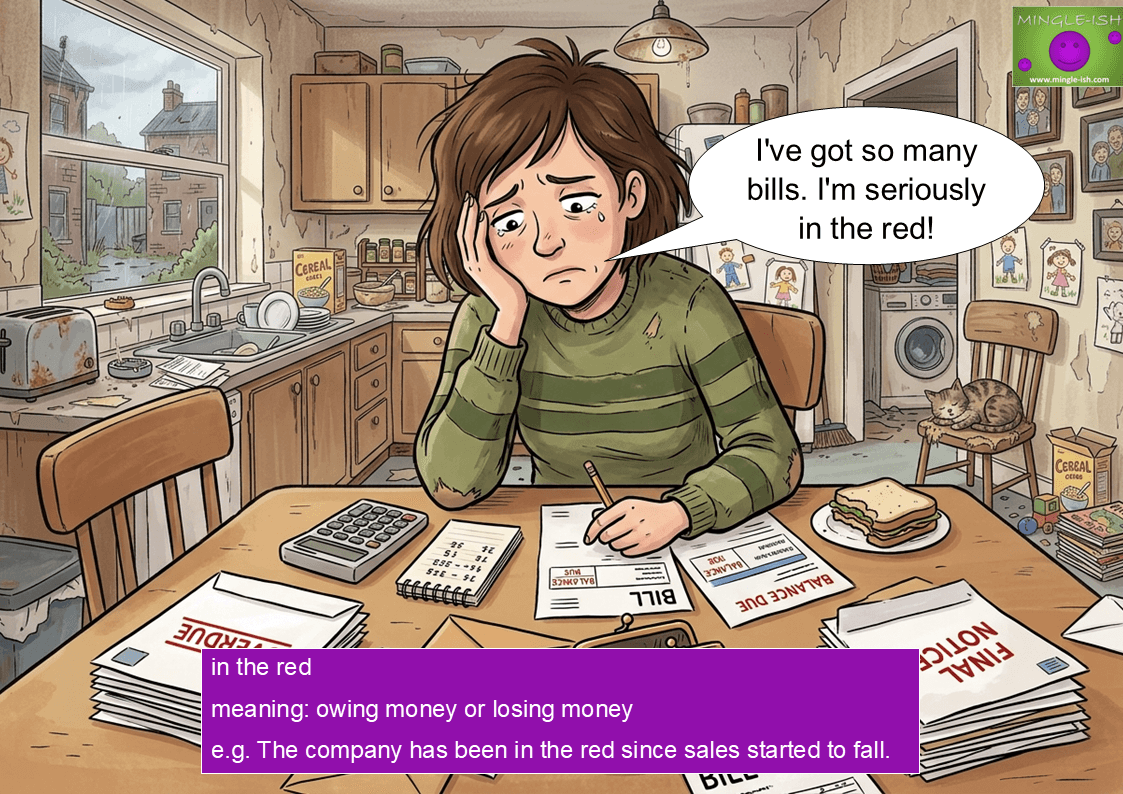
in the red
meaning: owing money or losing money
example: The company has been in the red since sales started to fall.
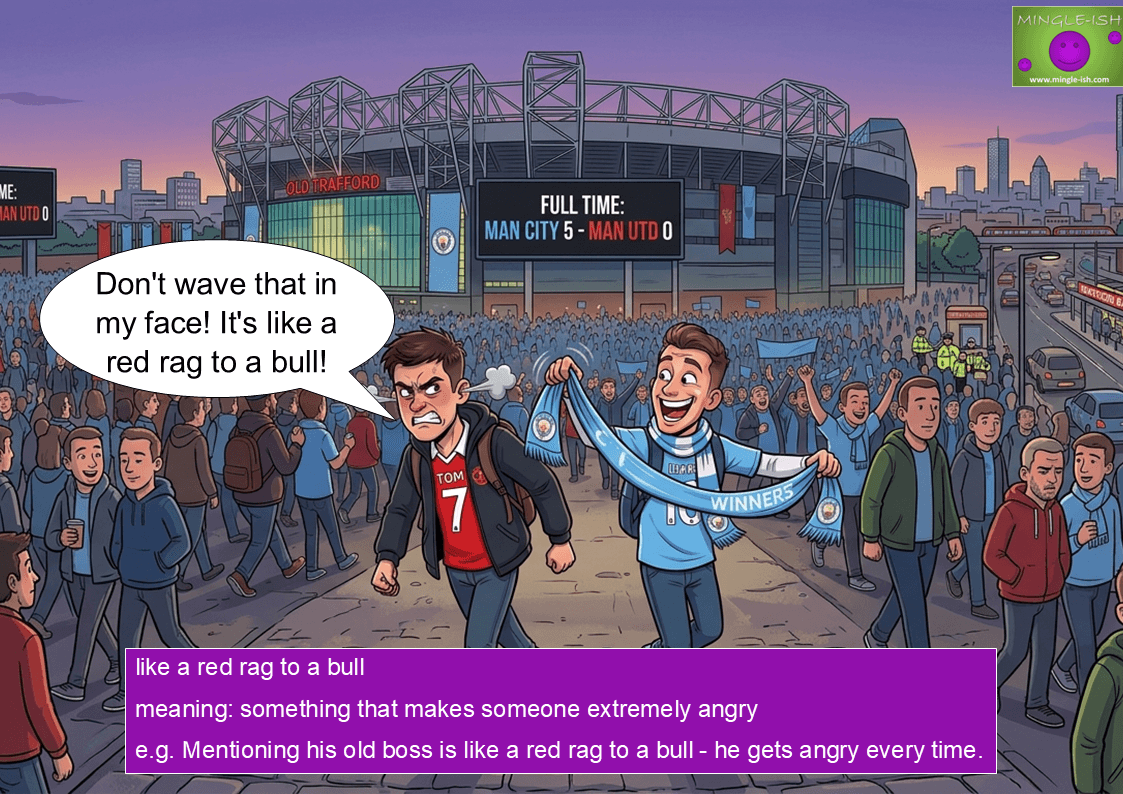
like a red rag to a bull
meaning: something that makes someone extremely angry
example: Mentioning his old boss is like a red rag to a bull – he gets angry every time.
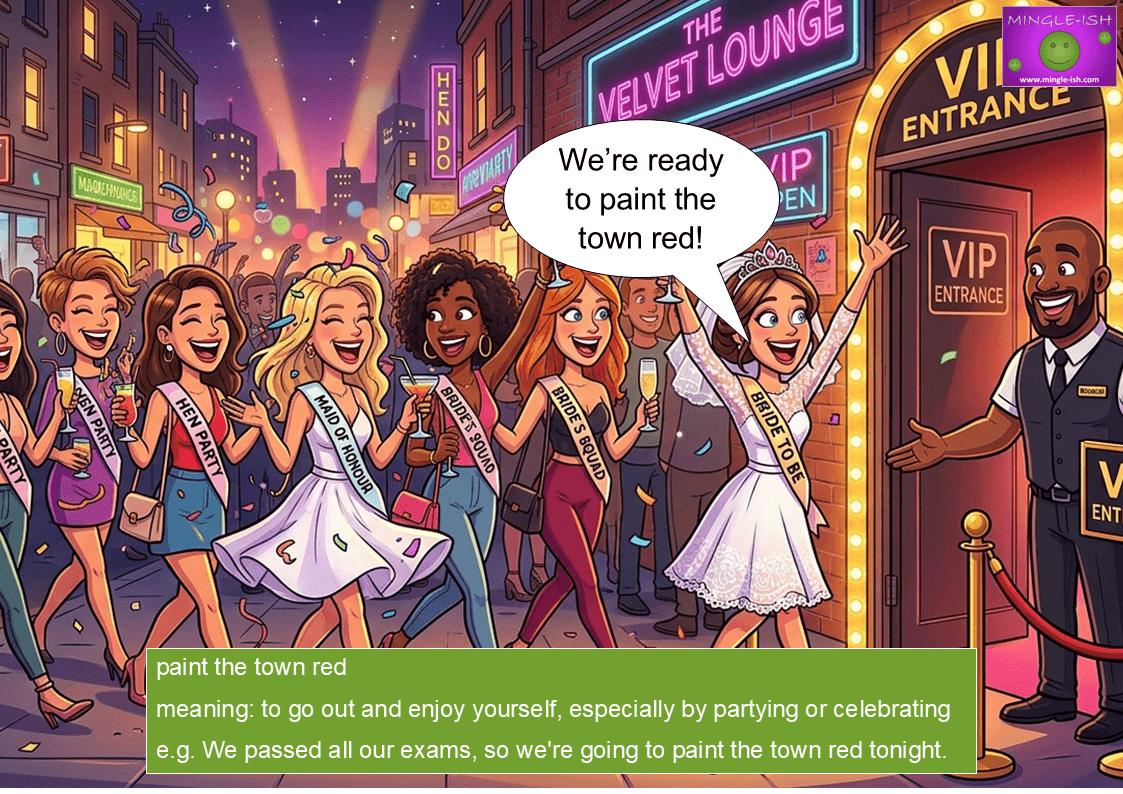
paint the town red
meaning: to go out and enjoy yourself, especially by partying or celebrating
example: We passed all our exams, so we’re going to paint the town red tonight.
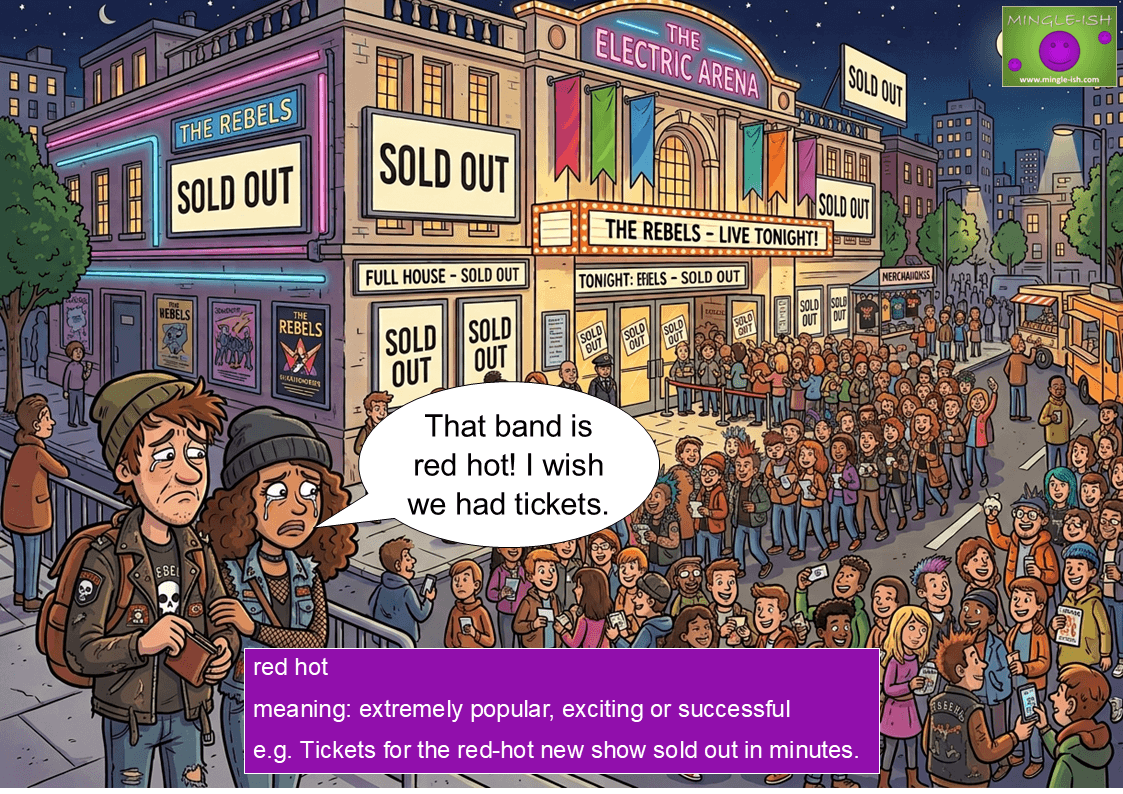
red hot
meaning: extremely popular, exciting or successful
example: Tickets for the red-hot new show sold out in minutes.
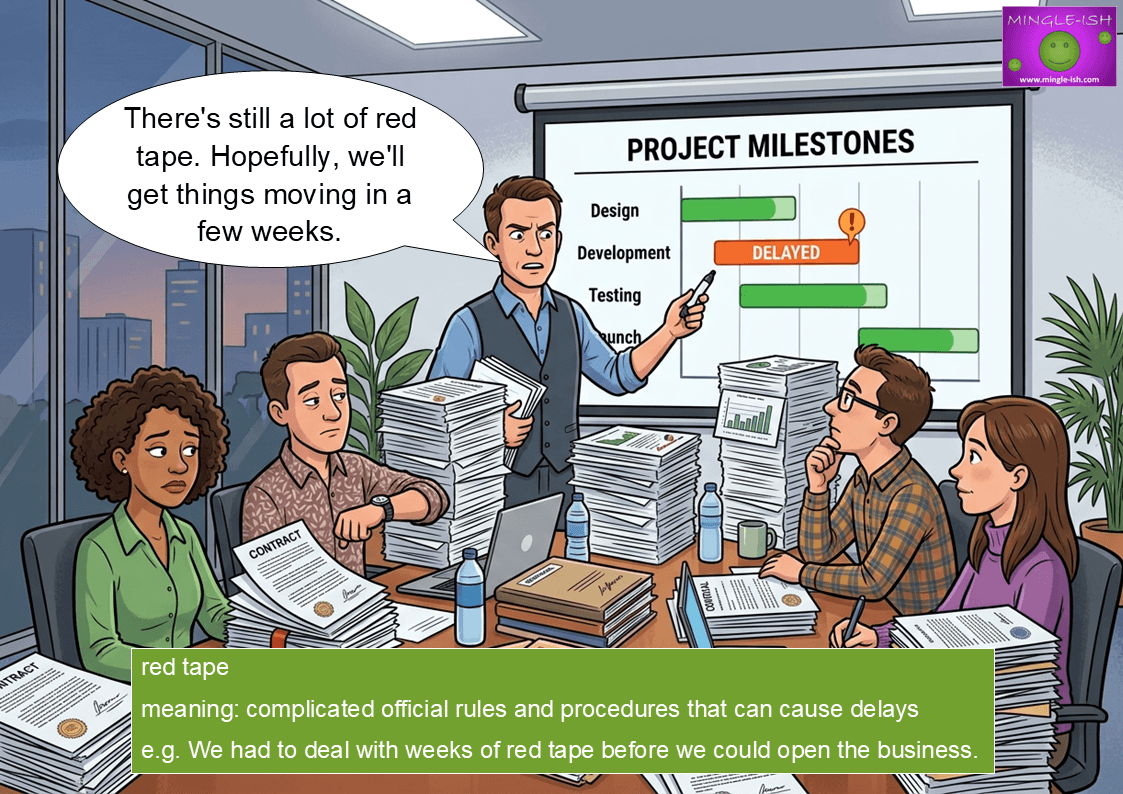
red tape
meaning: complicated official rules and procedures that can cause delays
example: We had to deal with weeks of red tape before we could open the business.
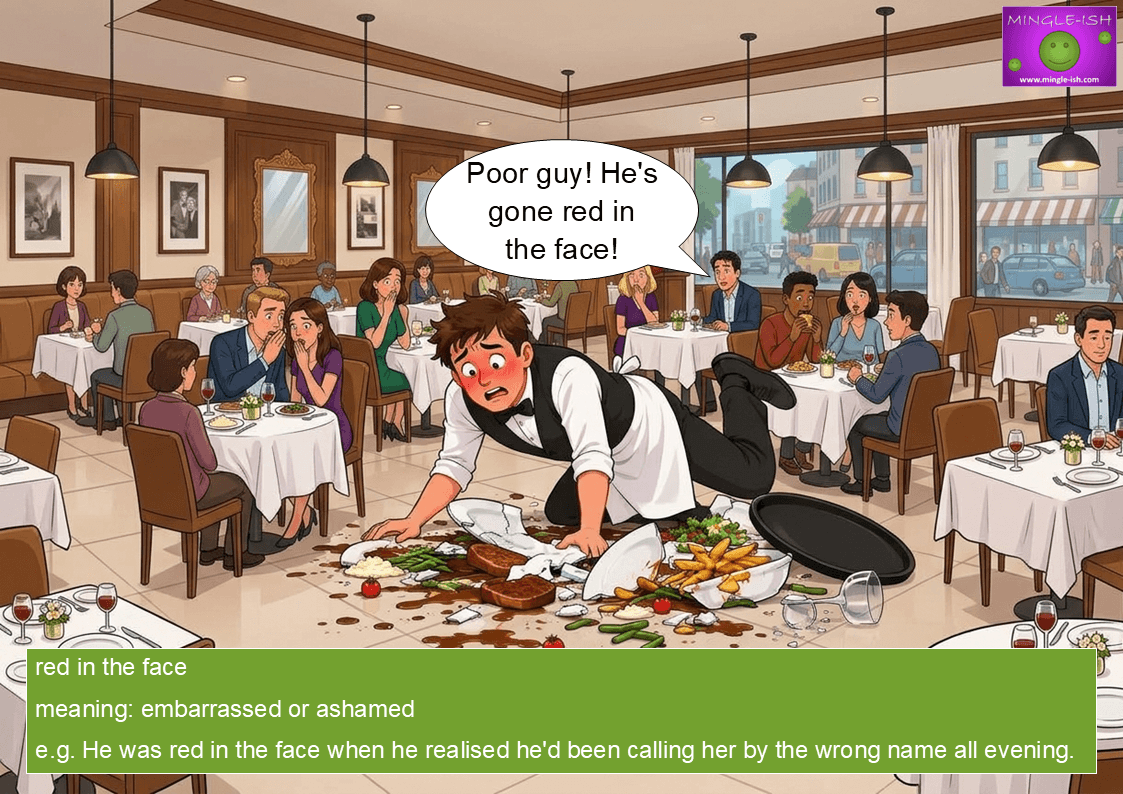
red in the face
meaning: embarrassed or ashamed
example: He was red in the face when he realised he’d been calling her by the wrong name all evening.
roll out the red carpet
meaning: to give someone a very special welcome or treat them as an important guest
example: Wales rolled out the red carpet when the rugby team returned home with the trophy.”

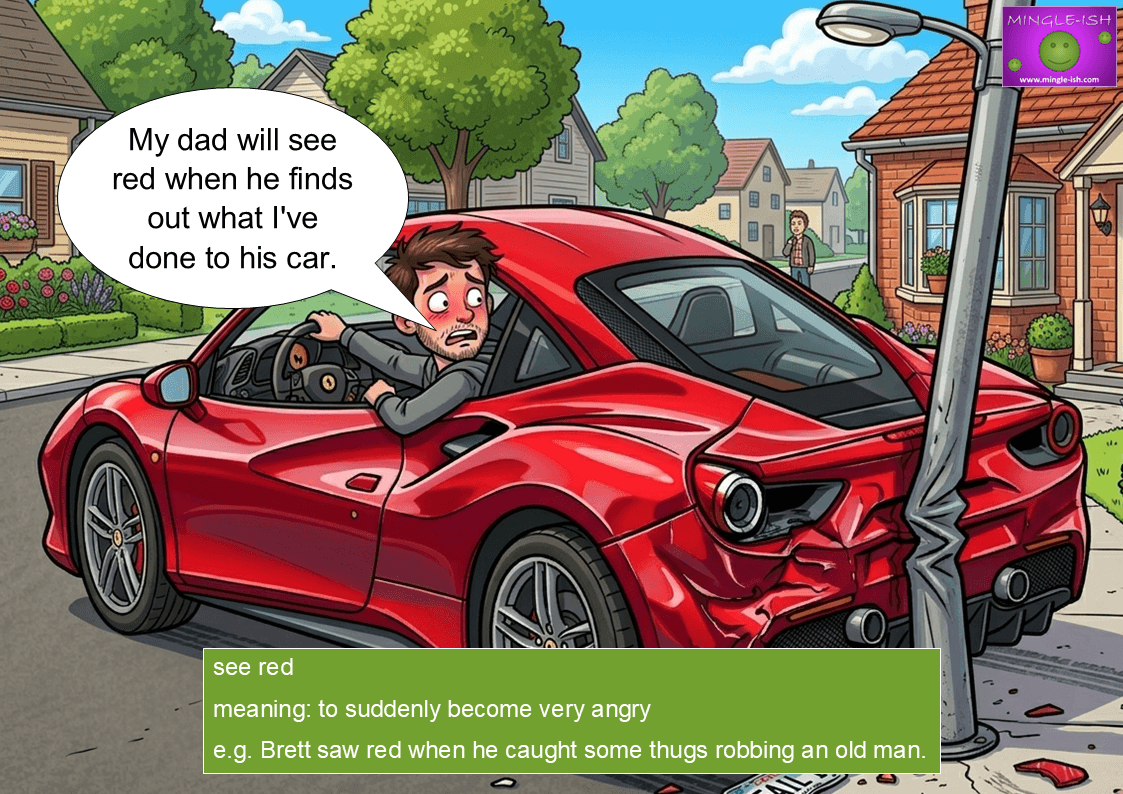
see red
meaning: to become extremely angry
example: I saw red when I realised someone had scratched my car.
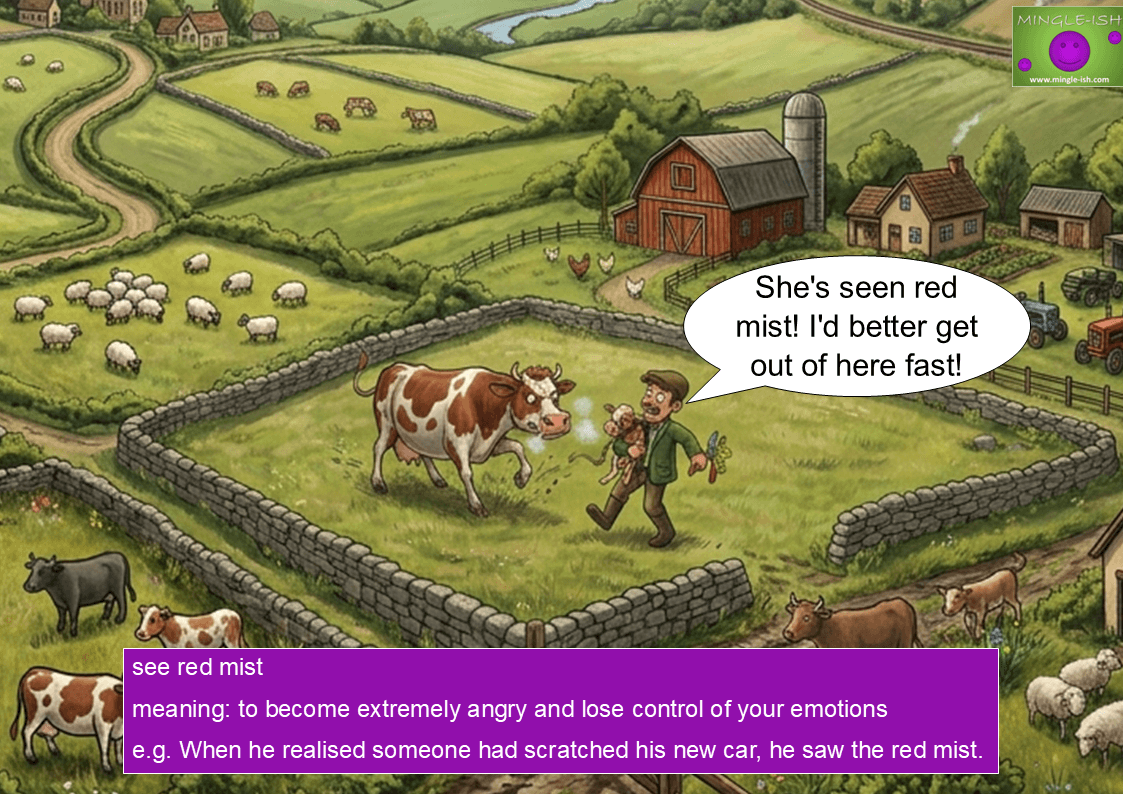
see red mist
meaning: to become extremely angry and lose control of your emotions
example: When he realised someone had scratched his new car, he saw the red mist.
Why do we use red in English idioms?
The colour red has developed lots of different associations in English. It is often connected with strong emotions, which is why we see red when we’re angry or go red when we’re embarrassed.
Red can also be associated with danger and warning, as in raise a red flag, while red tape is connected with complicated official procedures. Then there’s in the red, which has nothing to do with danger at all – it’s about money.
And, of course, red isn’t always about something negative. A red-letter day is a special and memorable occasion, while something red hot can be extremely popular or exciting.
As with other colour idioms, the same colour can have several completely different meanings depending on the expression. That’s what makes colour idioms so interesting – and occasionally rather confusing!
Red Idioms Quiz
Think you’ve got your red idioms all figured out? Put your knowledge to the test with this quick quiz on red idioms. Can you match each colourful expression to its correct meaning?
And if you enjoy this one, head over to the Mingle-ish YouTube channel for plenty more English quizzes to test your skills.
coming soon
Further learning
Enjoyed getting to grips with these blue idioms? Don’t stop here – English has plenty more strange, wonderful and slightly confusing expressions waiting for you.
If you like idioms, why not explore our Phrasal Verbs and discover why look up, look after and look out can mean completely different things?
Or, if you enjoy the more peculiar side of English, take a look at our Eggcorns and Mondegreens pages. They’re full of phrases that people have heard slightly differently – sometimes for years – without realising they’ve got them wrong.
There’s plenty more linguistic weirdness where that came from!