
Football isn’t just played on the pitch; it has scored a place in the English language too.
Many football idioms and expressions are now used in everyday conversations, business, and the media. The tricky part? They often have nothing to do with football at all.
You can move the goalposts without moving a real goal, or be on the ball without touching one.
In this guide, you’ll discover common football idioms in English, their meanings, and how to use them naturally in everyday sentences.
What is football?
Football is one of the world’s most popular sports, played by millions of people around the globe. It is a team game where two teams of 11 players compete to score goals by kicking a round ball into the opponent’s net.
But watch out, football can be a little confusing! In American English, this sport is usually called soccer because football refers to a completely different game. Same word, very different sport!
What Are Football Idioms?
A football idiom is a phrase that comes from the beautiful game but has a meaning far beyond the pitch. These expressions have become part of everyday English, and native speakers use them all the time without even thinking about it.
The tricky bit? Football idioms are not always meant literally. If someone moves the goalposts, they probably haven’t grabbed a pair of goalposts and carried them away! They have changed the rules or expectations of a situation.
Learning these phrases will help you understand natural English, follow conversations, and sound more like a native speaker.
Common Football Idioms and Their Meanings
Ready to kick off? Let’s dive into some of the most common football idioms in English, including their meanings and real-life examples. Don’t worry, you won’t need football boots for this one!
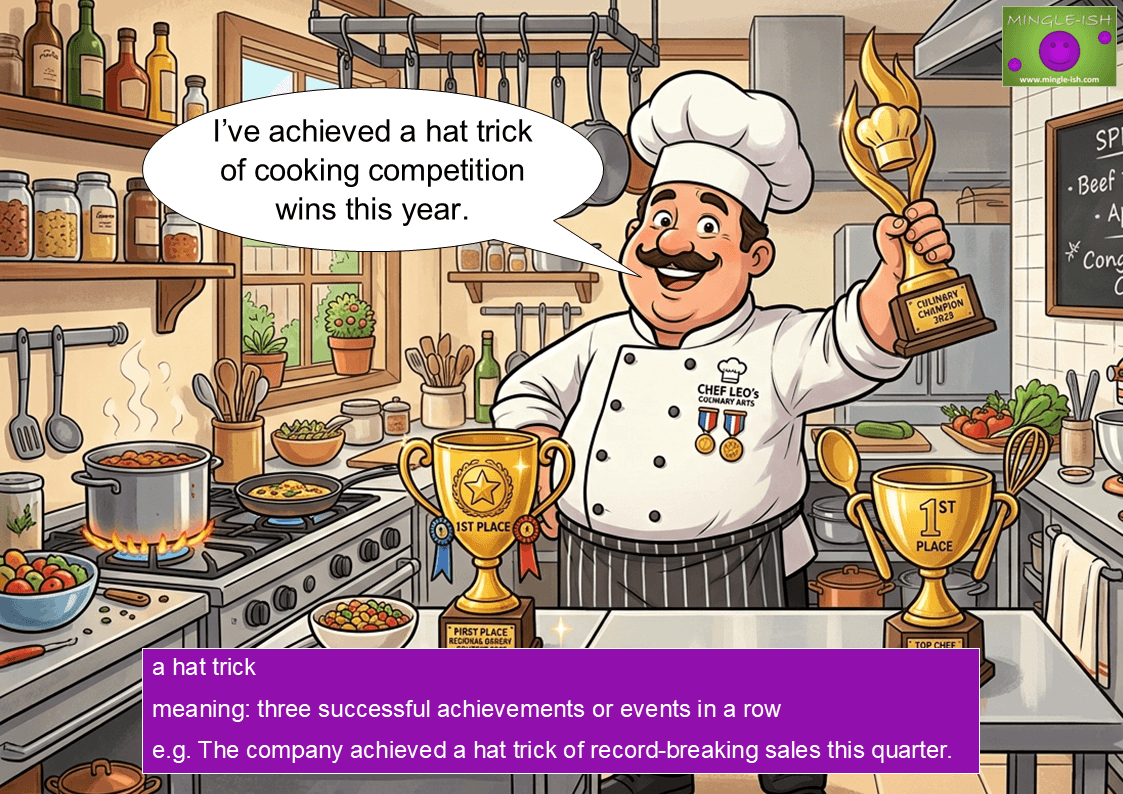
a hat trick
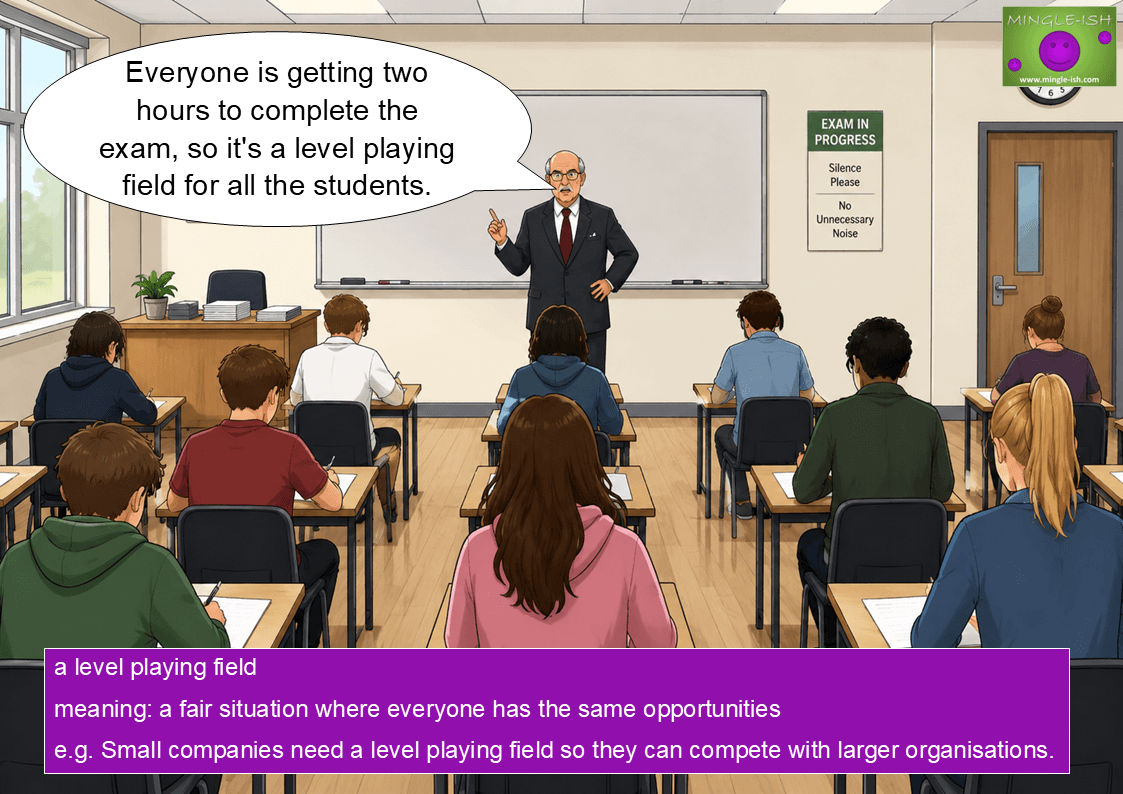
a level playing field
get a kick out of something
meaning: to enjoy something or get pleasure from something
examples:
- I get a kick out of watching old football matches.
- She got a kick out of surprising her friends at the party.
- He has always got a kick out of learning new languages.
- We’ll get a kick out of seeing the team play live next weekend.

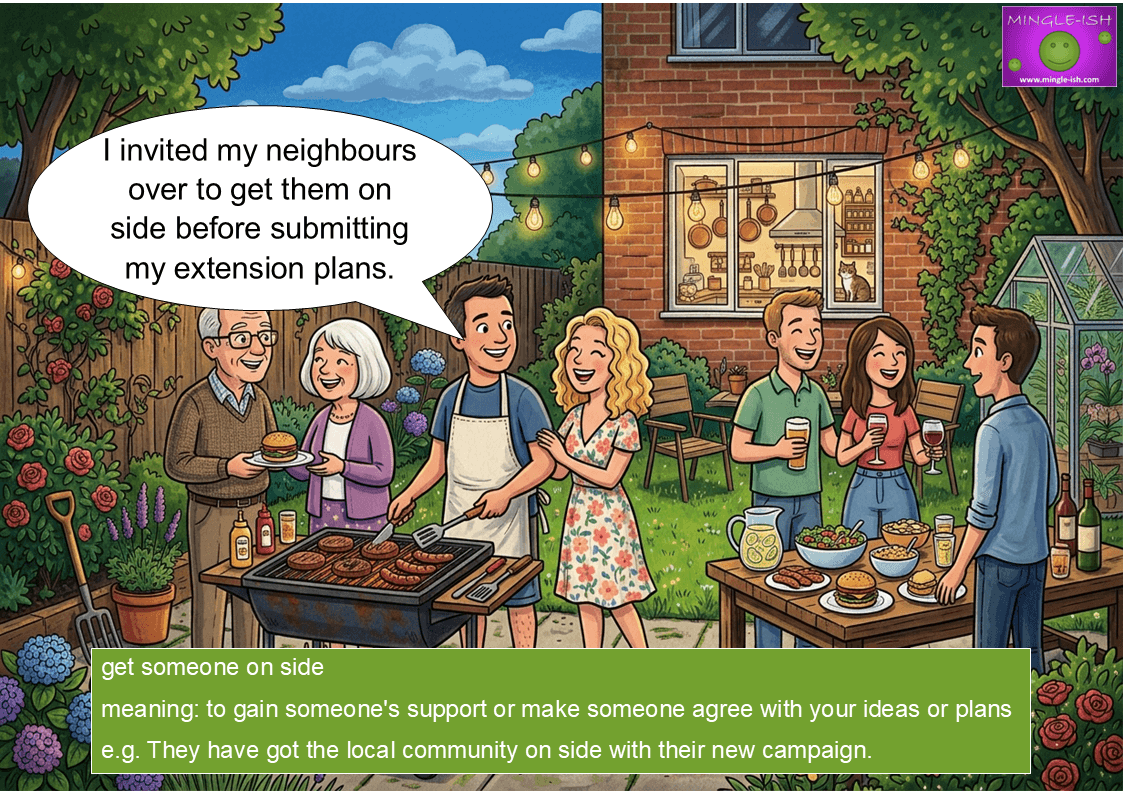
get someone on side
meaning: to gain someone’s support or make someone agree with your ideas or plans
examples:
- She got her team on side before starting the new project.
- He got his boss on side by explaining his plan clearly.
- They have got the local community on side with their new campaign.
- We’ll need to get everyone on side before making a final decision.
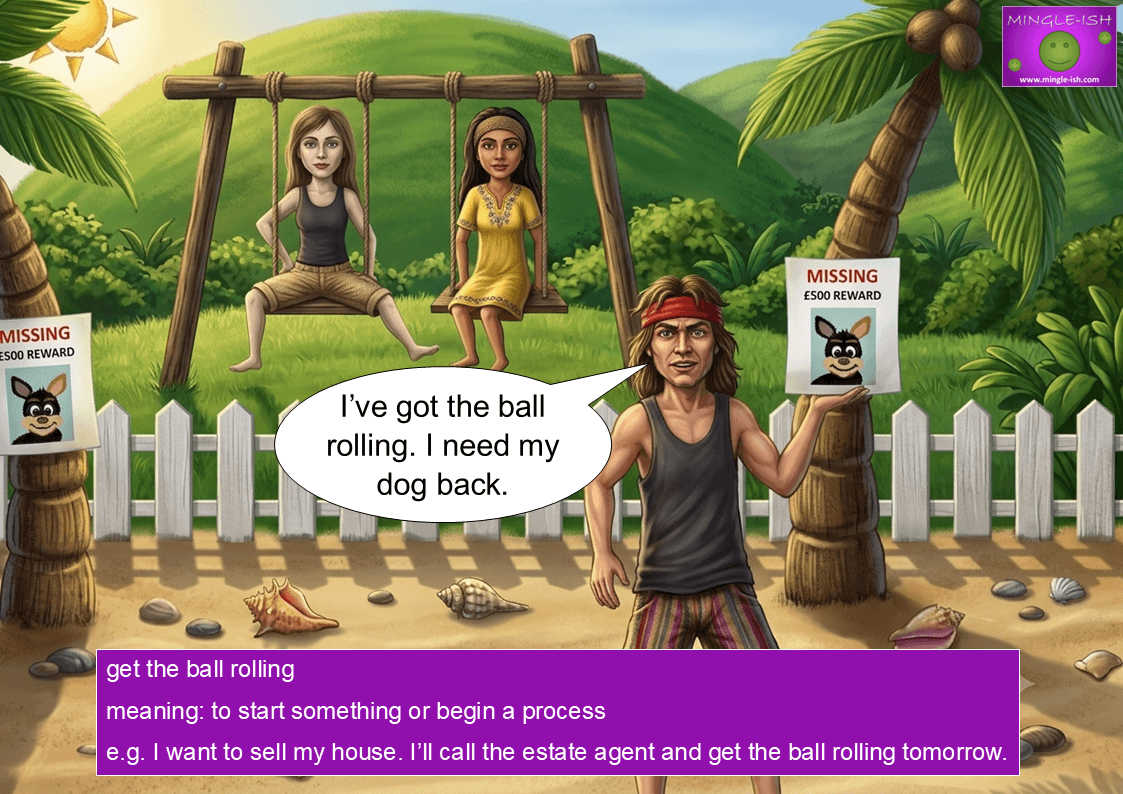
get the ball rolling
meaning: to start something or begin a process
examples:
- Let’s get the ball rolling and start the meeting.
- She got the ball rolling by asking the first question.
- They have already got the ball rolling on their new project.
- We’ll get the ball rolling once everyone arrives.
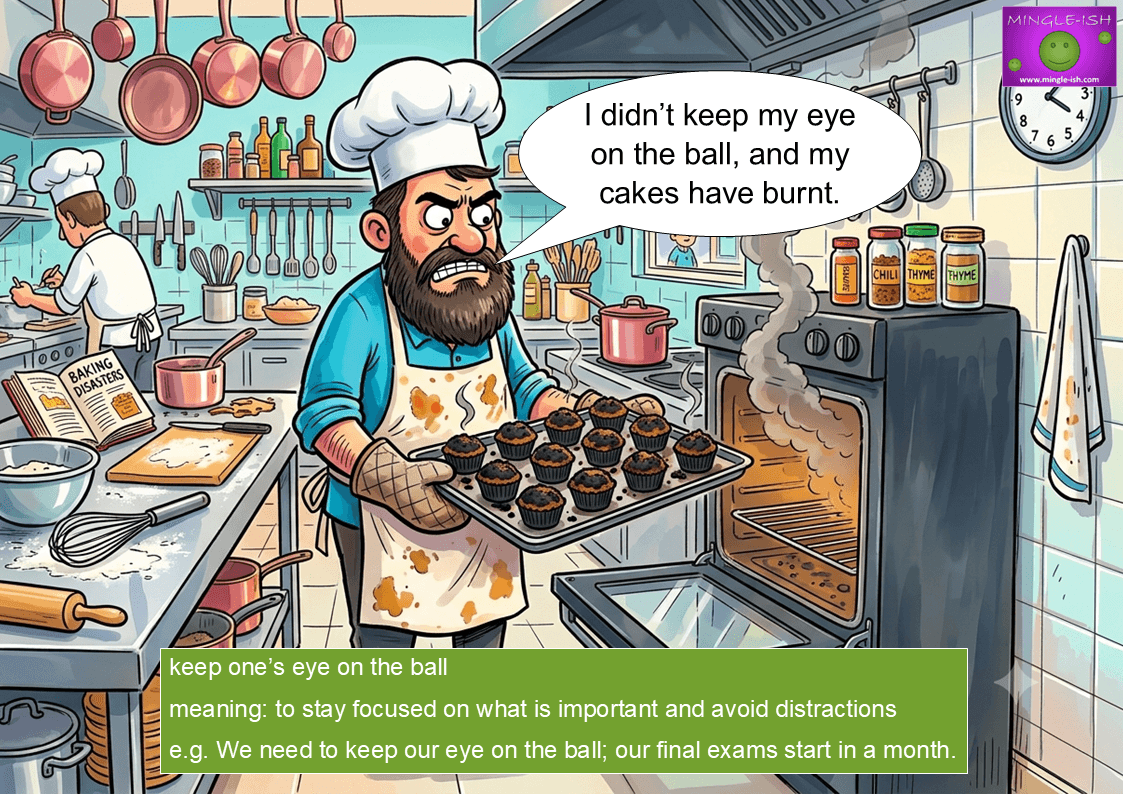
keep one’s eye on the ball
meaning: to stay focused on what is important and avoid distractions
examples:
- You need to keep your eye on the ball if you want to finish the project on time.
- She kept her eye on the ball and achieved her goals.
- He has always kept his eye on the ball when it comes to his career.
- We’ll need to keep our eyes on the ball during the final stages of the competition.
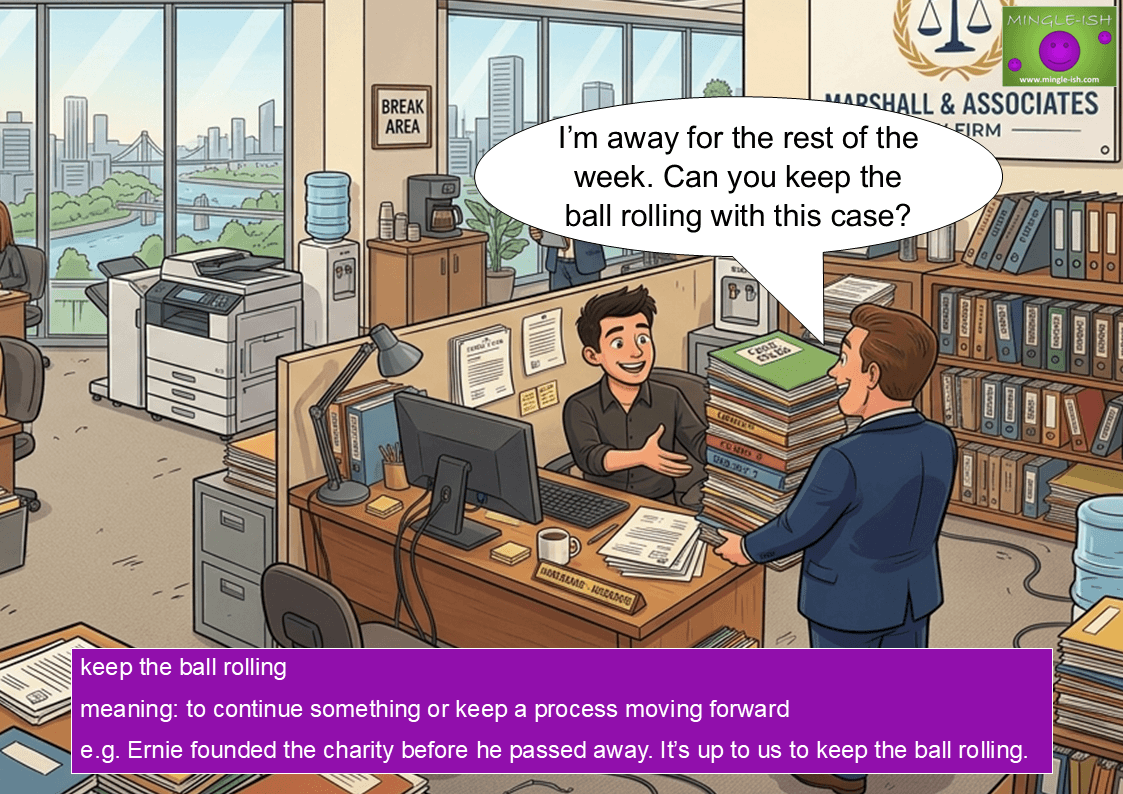
keep the ball rolling
meaning: to continue something or keep a process moving forward
examples:
- We need to keep the ball rolling and finish the project this week.
- She kept the ball rolling by organising another meeting.
- They have kept the ball rolling despite facing several challenges.
- We’ll keep the ball rolling once the new team members join.
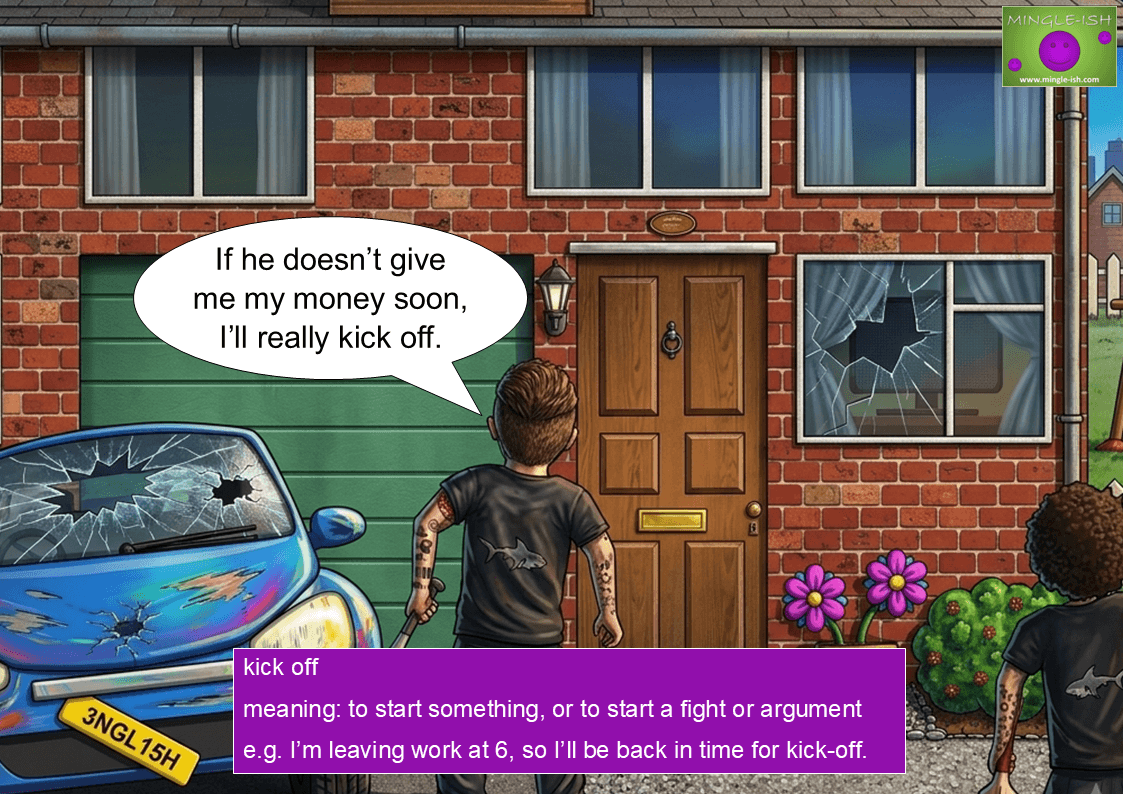
kick off
meaning: to start something, or to start a fight or argument
examples:
- The football match will kick off at 3 pm.
- The meeting kicked off with a short introduction.
- They have kicked off their new marketing campaign this week.
- We’ll kick off the project after the holidays.
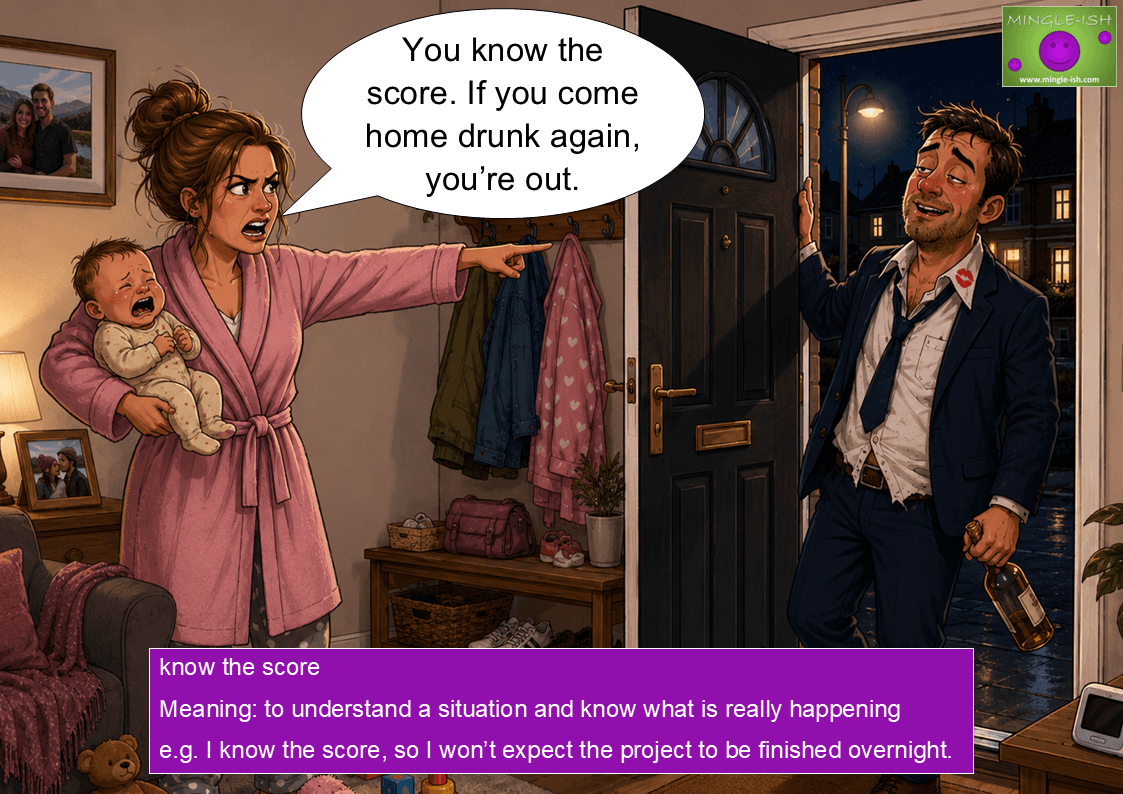
know the score
meaning: to understand a situation and know what is really happening
examples:
- She knows the score and understands how difficult the job will be.
- I knew the score before I agreed to join the team.
- They have known the score from the beginning.
- You’ll know the score once you’ve read the instructions.
move the goalposts
meaning: to unfairly change the rules or expectations of a situation, usually to make something more difficult
examples:
- The company moved the goalposts and added new requirements at the last minute.
- They moved the goalposts after we had already agreed on the plan.
- He has been moving the goalposts throughout the project.
- They’ll move the goalposts again if we don’t set clear rules.
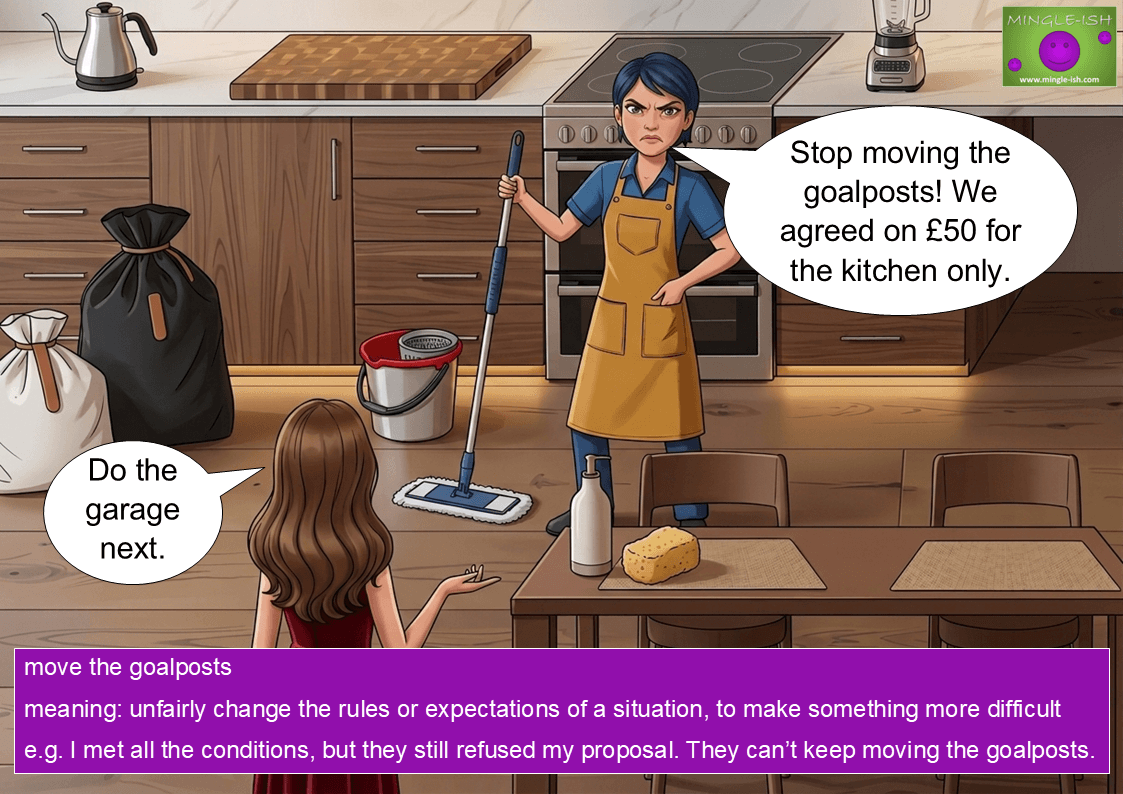
on the ball
meaning: to be alert, prepared, and quick to understand or react to something
examples:
- She is always on the ball and never misses a deadline.
- He was on the ball and solved the problem quickly.
- They have been on the ball throughout the entire project.
- You’ll need to be on the ball during the final interview.
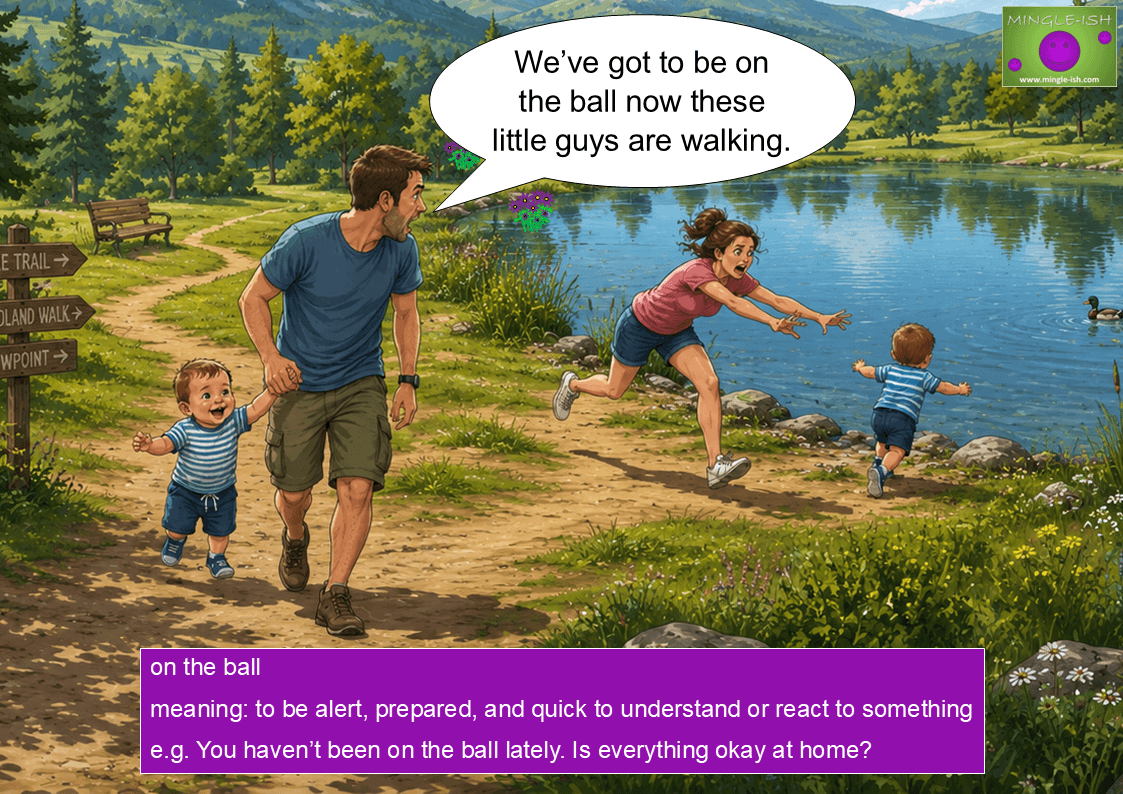
on the bench
meaning: to be a substitute player who is waiting to join the game, or to be temporarily left out of an activity
examples:
- He was on the bench for most of the match.
- She has been on the bench since recovering from her injury.
- The manager left him on the bench because he was tired.
- I’ll be on the bench until the coach decides to put me in.
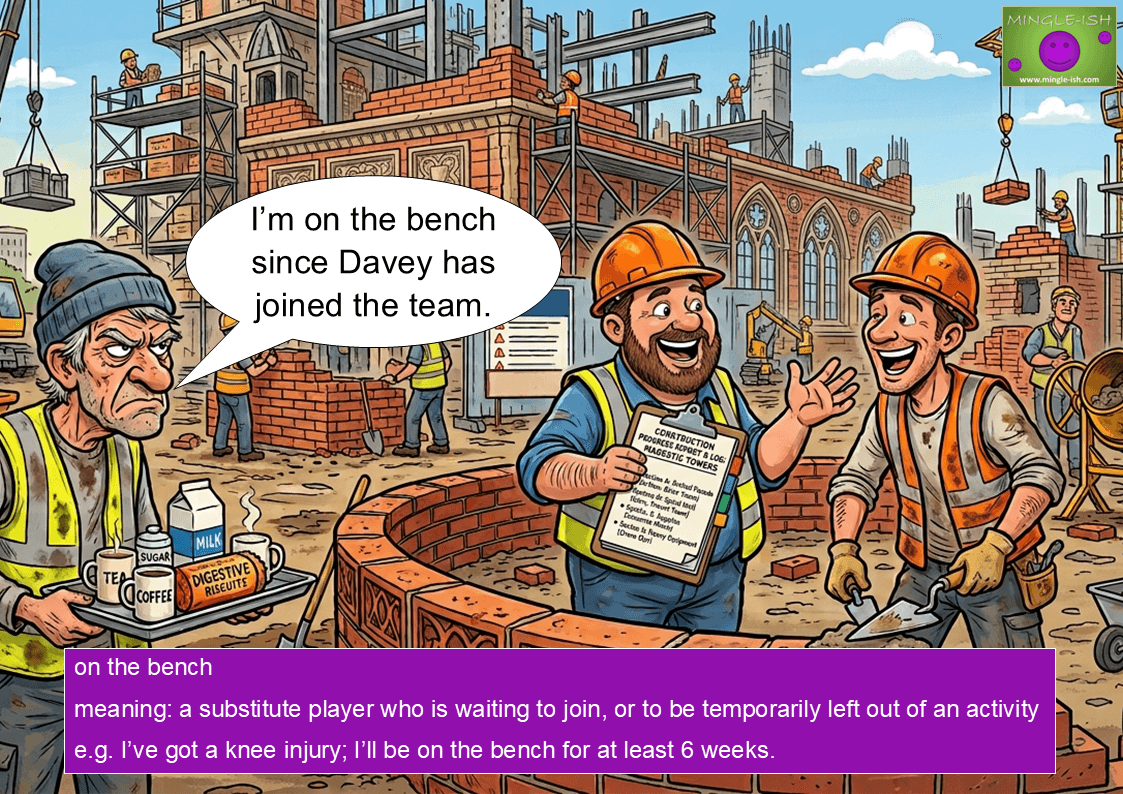
on the sidelines
meaning: to be watching or waiting instead of taking part in an activity or situation
examples:
- He spent most of the match on the sidelines because of an injury.
- She felt like she was on the sidelines during the important decisions.
- They have been sitting on the sidelines instead of getting involved.
- I don’t want to stay on the sidelines; I want to be part of the team.
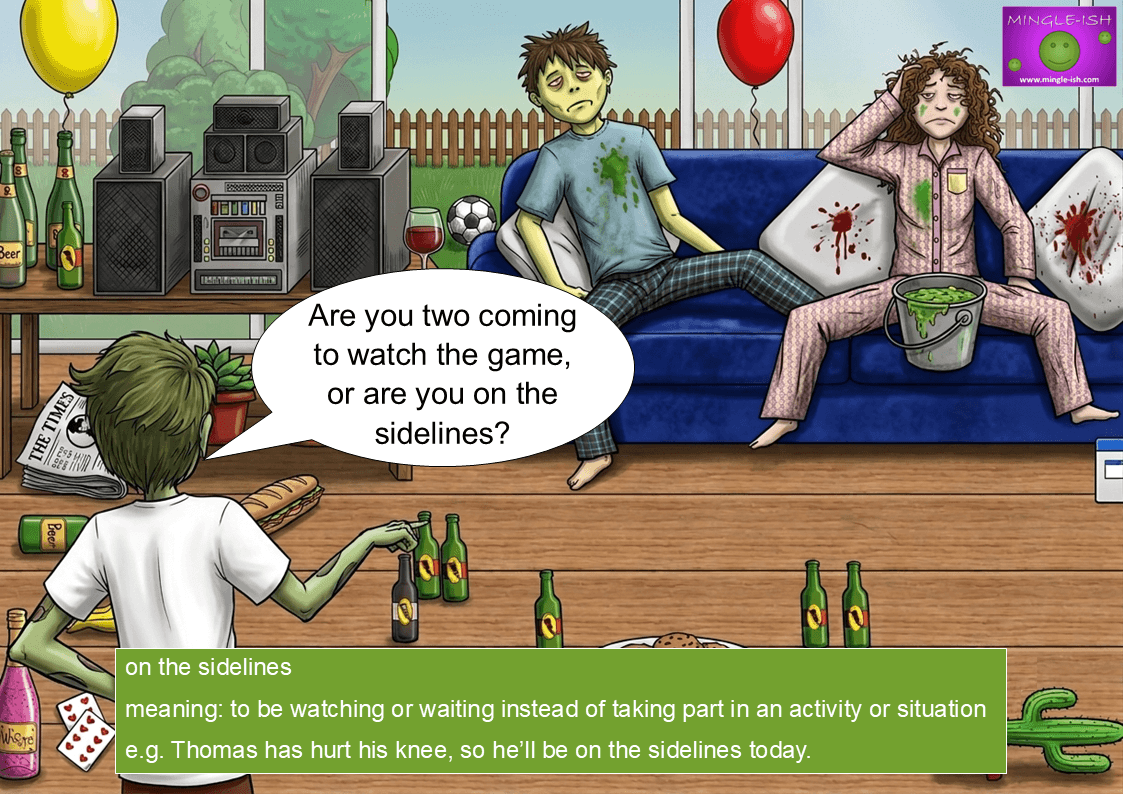
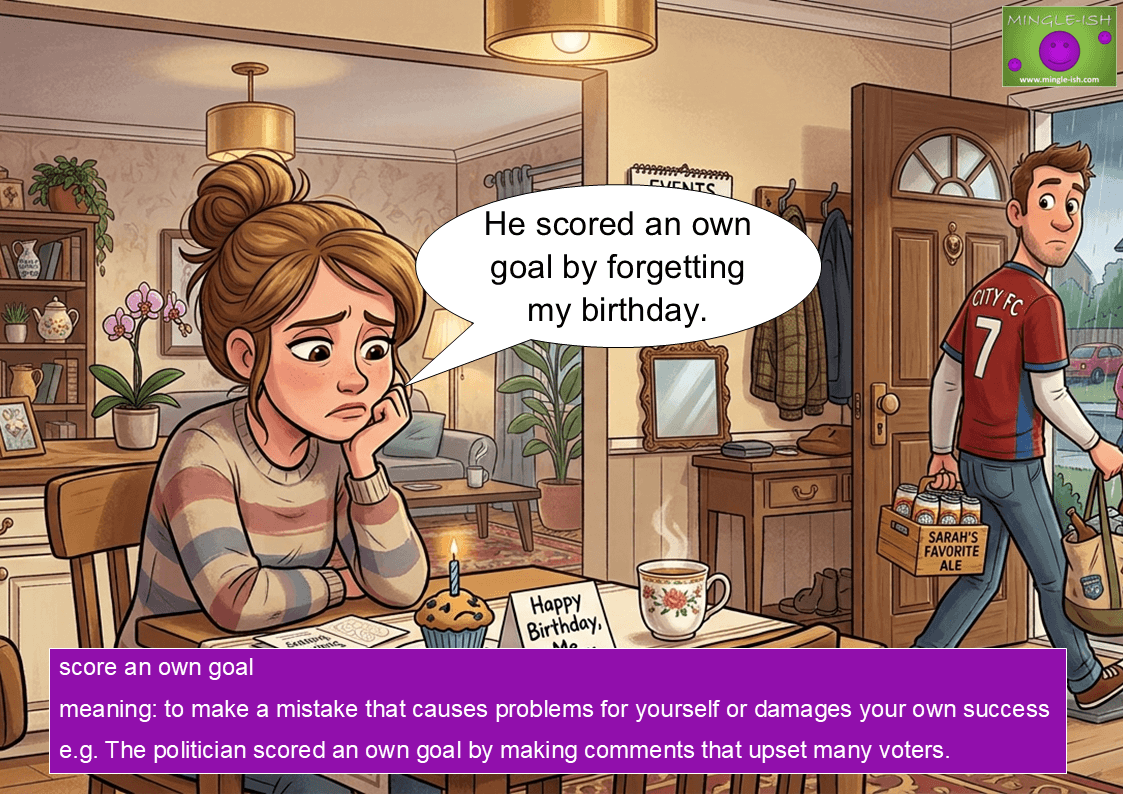
score an own goal
meaning: to make a mistake that causes problems for yourself or damages your own success
examples:
- The company scored an own goal by ignoring customer complaints and losing many loyal customers.
- He scored an own goal during the interview by speaking badly about his previous employer.
- The politician scored an own goal by making comments that upset many voters.
- I scored an own goal by leaving my application until the last minute and missing the deadline.
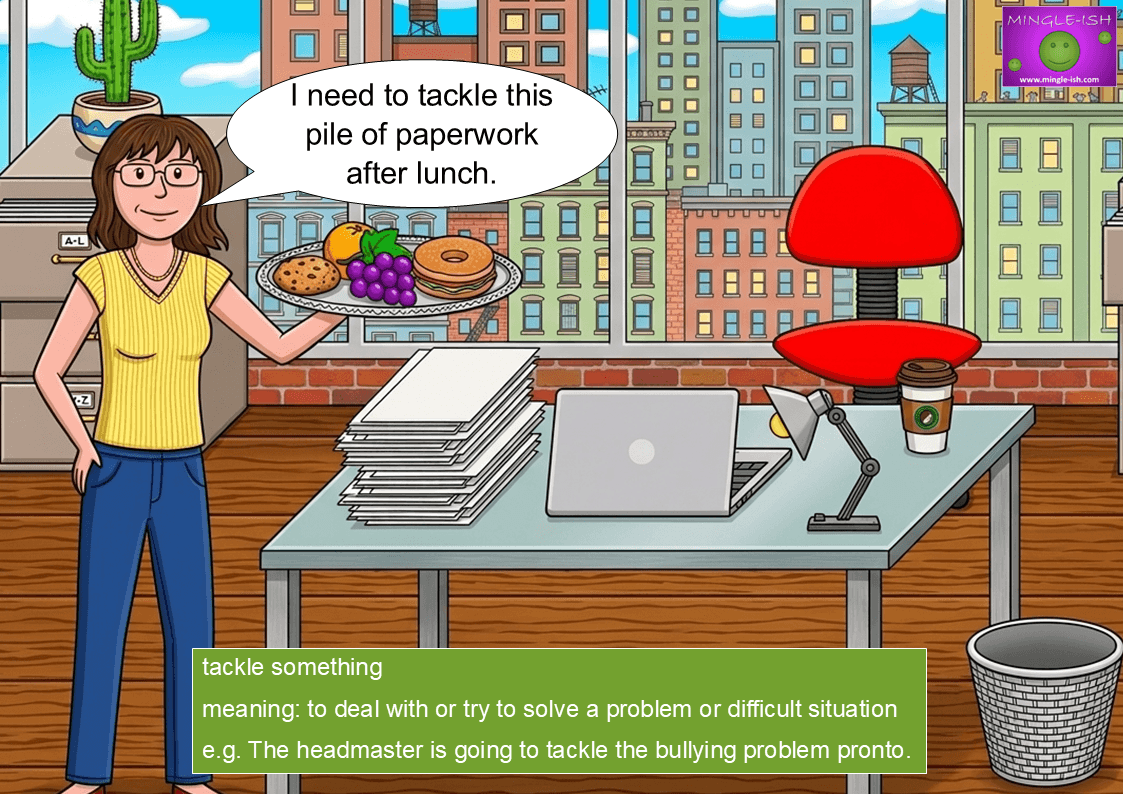
tackle something
meaning: to deal with or try to solve a problem or difficult situation
examples:
- We need to tackle this problem before it gets worse.
- She tackled the difficult task and finished it on time.
- They have tackled several challenges during the project.
- He’ll tackle the issue when he returns tomorrow.
Football Idioms vs Literal Football Words
Football has kicked its way into everyday English, but this can make things a little confusing for learners. A word that sounds like it belongs on the pitch might have a completely different meaning in a conversation.
Don’t worry, you won’t need a referee for this one! Here are some common football words and phrases that have taken on a new life outside the game.
| Football word or phrase | Football meaning | Everyday meaning |
|---|---|---|
| kick off | to start a football match | to start an event, activity, or conversation |
| move the goalposts | to move the posts where players score | to unfairly change rules or expectations |
| on the ball | to have possession of the ball | to be alert, prepared, and quick to react |
| drop the ball | to lose control of the ball | to make a mistake or fail to do something |
| the ball is in your court | often confused with football, but actually comes from tennis | it is your responsibility to make the next move |
| get the ball rolling | to start play | to start a process or activity |
| level playing field | a fair pitch for both teams | a fair situation where everyone has the same opportunities |
| against the run of play | when a team scores unexpectedly based on the match | something happens when it seems unlikely or unexpected |
| back on the pitch | returning to play after leaving the field | returning to an activity or situation after a break |
| drop into the game | joining a match | becoming involved in an activity or situation |
So next time someone says they are on the ball, they probably don’t mean they are balancing on a football! These expressions show how much football has influenced the English language.
Frequently Asked Questions
What are football idioms?
Football idioms are phrases that come from football but have meanings beyond the sport. Native English speakers often use these expressions in everyday conversations, business, and the media.
What are some common football idioms?
Some popular football idioms include move the goalposts, kick off, get the ball rolling, be on the ball, drop the ball, and level playing field.
What does “move the goalposts” mean?
Move the goalposts means to unfairly change the rules, requirements, or expectations of a situation, making something more difficult.
Is “kick off” a football idiom?
Yes, kick off is a football expression that is also used in everyday English. It means to start something, such as a meeting, event, or project.
What is the difference between football idioms and football vocabulary?
Football vocabulary describes things directly related to the game, such as goal, pitch, and striker. Football idioms use football words but have a different, figurative meaning.
Are football idioms used outside sport?
Yes. Many football idioms are used in everyday English, even when people are not talking about football. For example, someone can be on the ball at work or drop the ball by making a mistake.
Why are football idioms difficult to learn?
Football idioms can be tricky because the meaning is often not literal. A person who moves the goalposts is not actually moving football equipment; they are changing the rules of a situation.
Are football idioms only used in British English?
No. Many football idioms are used in different varieties of English, although some expressions are more common in British English because football is especially popular in the UK.
Want to Keep Learning?
Enjoyed exploring the world of football idioms? Don’t stop there! There are plenty more English expressions, tricky phrases, and language challenges waiting for you.
Head over to our other pages and keep building your English skills:
- English idioms and expressions – discover a huge collection of everyday phrases and their meanings.
- Sports idioms – explore expressions from other sports and see how they have influenced the English language.
- English pronunciation – improve your speaking skills and master those tricky sounds.
- British English vs American English – discover the differences between these two versions of English.
- English grammar – brush up on grammar rules and learn how to use English more naturally.
- Phrasal verbs – learn the everyday phrases that native speakers use all the time.
Prefer learning with videos? Head over to our YouTube channel for fun English quizzes, pronunciation practice, vocabulary challenges, and bite-sized lessons you can watch anytime.
There’s always another phrase to learn, so keep exploring and keep improving your English!